








 Bitcoin
 Ethereum

Disclosure: This review may contain affiliate links
Avici Snapshot
Self-custody DeFi app with a Visa card for USDC spending, built on Base chain.
Pros
- Self-custody wallet with Visa card spending built in
- Virtual and physical cards, with Apple and Google Pay
- Defaults to USDC on Base, with other chains and fiat deposits
Cons
- Smart-contract and network risk apply even though you hold the keys
- USDC on Base is the default; other chains play a secondary role
- Founded in 2024, so the track record is short
Avici Bonus
10% off
Code
IXMTIP
Avici Review
Quick take
Avici is a self-custody crypto app built around a Visa card. You hold USDC in a smart contract wallet you control, and the card spends against it. The app defaults to USDC on Base and also supports other chains and fiat deposits.
Avici, founded in 2024 and headquartered in Delaware, also offers a Grow feature that pays daily rewards on stablecoin balances held outside the card. The card itself pays no cashback and no yield on the collateral backing it; what you are buying is self-custody spending, not rewards.
How earning works
Grow is Avici's yield feature. Stablecoin balances placed in Grow, including USDC, USDT, and EURC, earn variable daily rewards. Yield is not compounded, per Avici's published answers, and the card cannot spend from Grow: the card only draws on USDC held in its escrow contract.
The card works on a secured credit model. You deposit USDC into a loan escrow smart contract owned by your wallet. Avici creates an equivalent USD credit balance on the Visa card. When you spend, the spent USDC is liquidated from the contract within one to seven days to settle with Visa. There is no billing cycle and no manual repayment; settlement is automatic.
Rates, fees, and requirements
Grow rewards are variable. Check the current quote in the app before depositing. The card has its own costs. Card pricing depends on tier: the Platinum virtual card costs $15 and the physical card $50, while Signature costs $30 for a virtual card in the first year ($20 a year after) or $75 for a physical card.
Avici charges no transaction fees and adds no FX markup of its own, though Visa may add a cross-border fee of 0.4% to 1% on non-USD purchases. ATM withdrawals on Platinum cost $1 plus 0.65%; they are free on Signature. Availability varies by country and by U.S. state, so confirm eligibility in the app before ordering a card.
Custody and key risks
Avici is non-custodial: the escrow contract is owned by your wallet, and Avici states that neither it nor the card issuer can move unspent collateral. If Avici disappeared, unspent USDC would remain in your contract. The login model matches that design, using passkeys and biometrics rather than a seed phrase.
Self-custody did not prevent a serious incident. On August 28, 2026, an attacker drained about $500,859 from 1,685 Avici users through a Solana card contract run by Rain, the card program partner. Rain refunded affected users in full, and Avici added a further 10% on top. The episode is the practical risk of this model in one example: your keys were never the weak point, but the contract holding card collateral was. Smart-contract, network, and liquidity risks apply throughout, and balances are not insured bank deposits.
Related features
The wallet is built on a smart contract framework and supports Apple Pay and Google Pay, virtual and physical cards, and fiat deposits alongside crypto. The card carries standard Visa network benefits. There is no cashback or spending rewards program; the referral program is the only financial incentive beyond Grow.
Best for
Best for users who want to spend stablecoins on a Visa card without handing custody to an exchange, and who accept smart-contract risk in exchange. Less suited to anyone chasing cashback or yield on their spending balance, since the card offers neither.
Avici FAQ
Is Avici available in the USA?
Yes, Avici is available in the USA.
Does Avici pay compound yield?
No, yield is not compounded at Avici.
Does Avici pay interest on Bitcoin?
A current Bitcoin rate is not listed here for Avici. Confirm product availability, rates and eligibility directly with the provider.
Does Avici pay interest on Ethereum?
A current Ethereum rate is not listed here for Avici. Confirm product availability, rates and eligibility directly with the provider.
Does Avici offer a sign-up bonus?
Yes, 10% off
When was Avici founded?
Avici was founded in 2024.
Where is Avici headquartered?
Avici is headquartered in Delaware, USA.
Where is Avici available?
Worldwide
Is Avici custodial or non-custodial?
Avici is a non-custodial platform, meaning you maintain control of your private keys and funds.
Avici Card
View card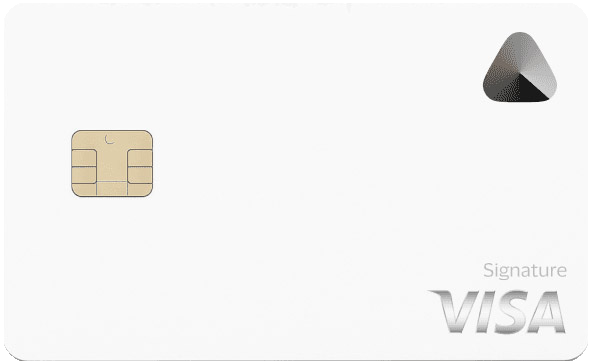
- Compounds
- No
- Payouts
- Varies
- Withdraw Fees
- Varies
- Lockups
- None
- Founded
- 2024
- Headquarters
- Delaware, USA
- Availability
- Worldwide
 Affiliate link. We may earn a commission.